

Queensland’s thoroughbred breeding industry is pushing back against proposed changes to national livestock transport standards, warning they could have serious unintended consequences for breeding, sales and racing participation.
The TBQA has lodged a formal submission in response to the revised Australian Animal Welfare Standards and Guidelines – Land Transport of Livestock, arguing that the draft rules fail to reflect how the thoroughbred industry actually operates.
At the centre of the concern are proposed journey time limits and mandatory spelling requirements for horses during transport.
While designed to improve animal welfare outcomes, we think the measures are largely framed around general livestock haulage and do not account for the highly specialised nature of thoroughbred transport — particularly during the breeding season.
Unlike many other livestock sectors, thoroughbred breeding is governed by strict international rules. For a horse to be registered as a thoroughbred, breeding must occur by natural cover, artificial insemination is not permitted.
This means broodmares must be physically transported to the stallion’s location, often across state borders. Transport timing is not discretionary. It is dictated by veterinary reproductive management, including ultrasound monitoring and ovulation timing, alongside stallion booking schedules and pre-paid service agreements.
So, if this proposal is mandated it risks:
• Missed coverings and failed breeding cycles
• Reduced conception rates
• Higher veterinary and transport costs
• Commercial losses that threaten the viability of breeding operations
The breeding sector is the foundation of the racing industry’s supply chain. Fewer successful coverings lead directly to smaller foal crops, reduced yearling numbers and weaker sales catalogues.
Then there’s transportation to races and sales. Yearlings must arrive at major sales venues in peak physical condition after months of structured preparation. Additional rest stops, longer transit times or higher transport costs could result in:
• Reduced sales participation
• Lower clearance rates and sale prices
• Declining broodmare numbers
• Smaller racing fields and reduced participation
TBQA has emphasised that it supports genuine, evidence-based welfare improvements. However, it is calling for meaningful industry consultation and a clear distinction between specialist thoroughbred transport and general livestock haulage.
The TBQA has prepared a submission to present to the DPI and State Government outline our concerns and we will keep you updated, but the message is clear: welfare outcomes and industry sustainability must go hand in hand - and getting transport rules wrong risks undermining both.
If you would like to make your own submission or find out more, the discussion paper published on DPI’s Engagement Hub provides further details and seeks your comments regarding any implementation challenges in Queensland.
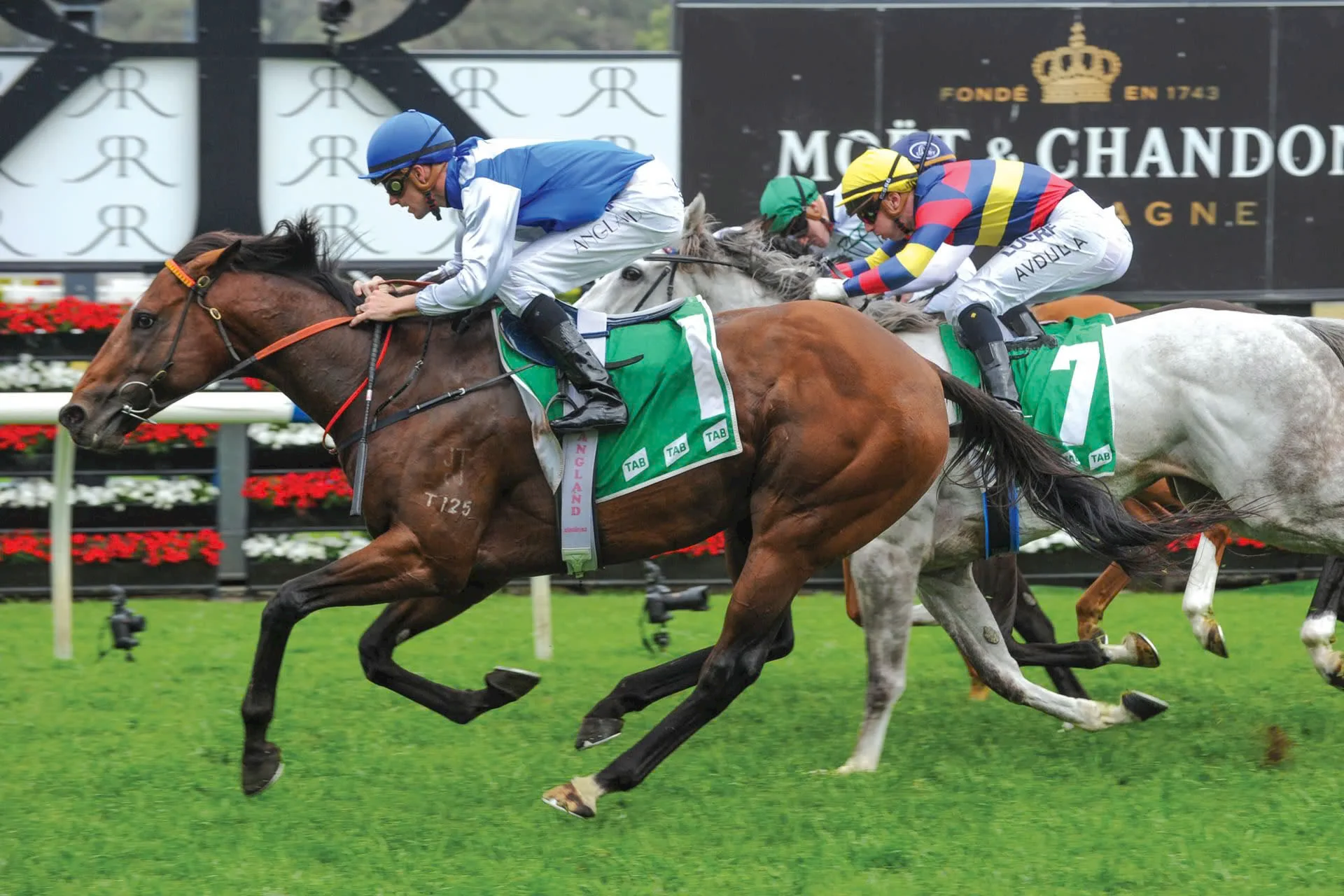
The next Thoroughbred Breeding Size & Scope Report, covering the 2025/26 financial year, is now underway, with Independent Economics and Research (IER) once again commissioned to undertake the study.
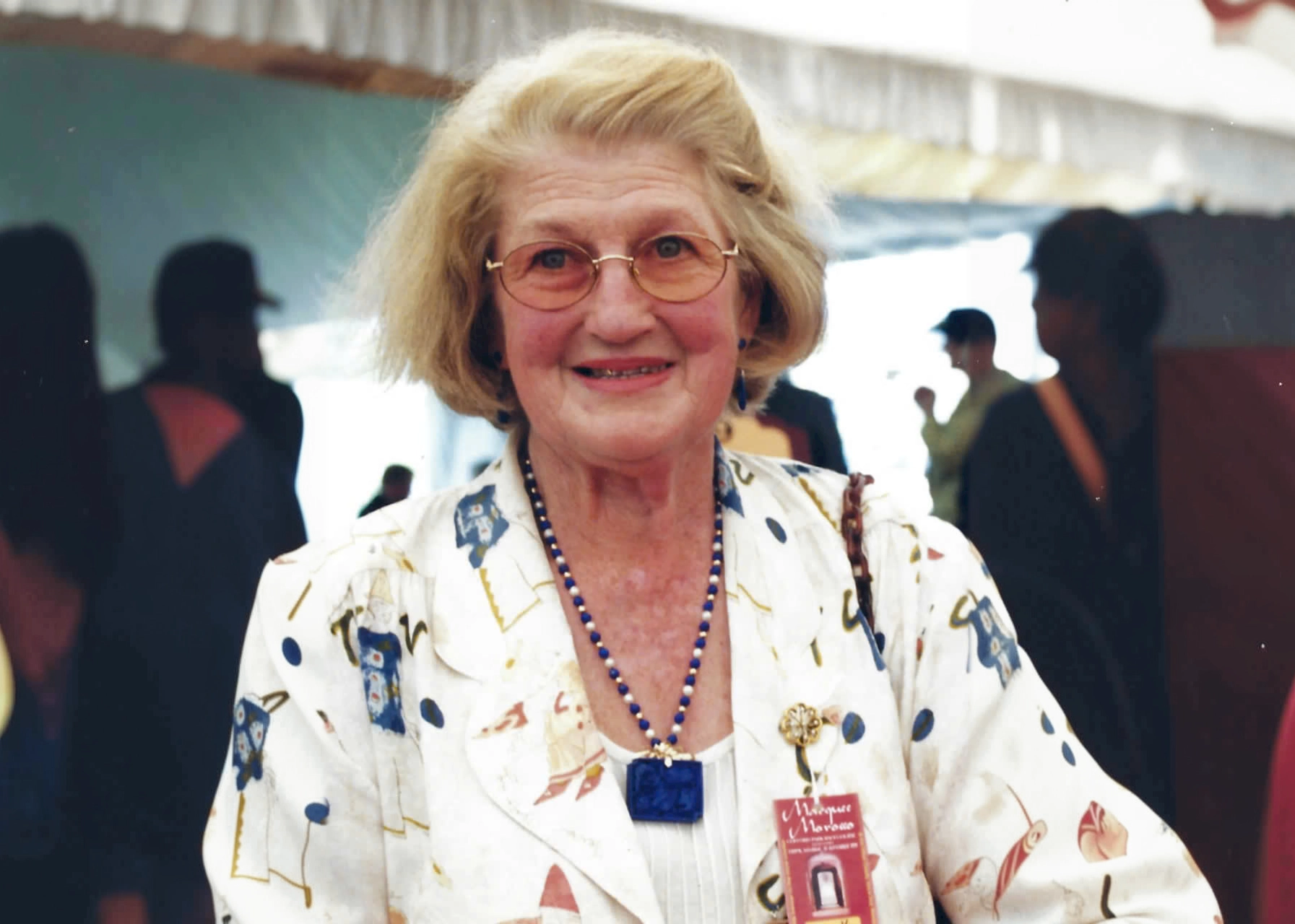
It is with great sadness that we acknowledge the passing of Del Fitton OAM, who passed away on 16 October, aged 94, at Brodribb Home.
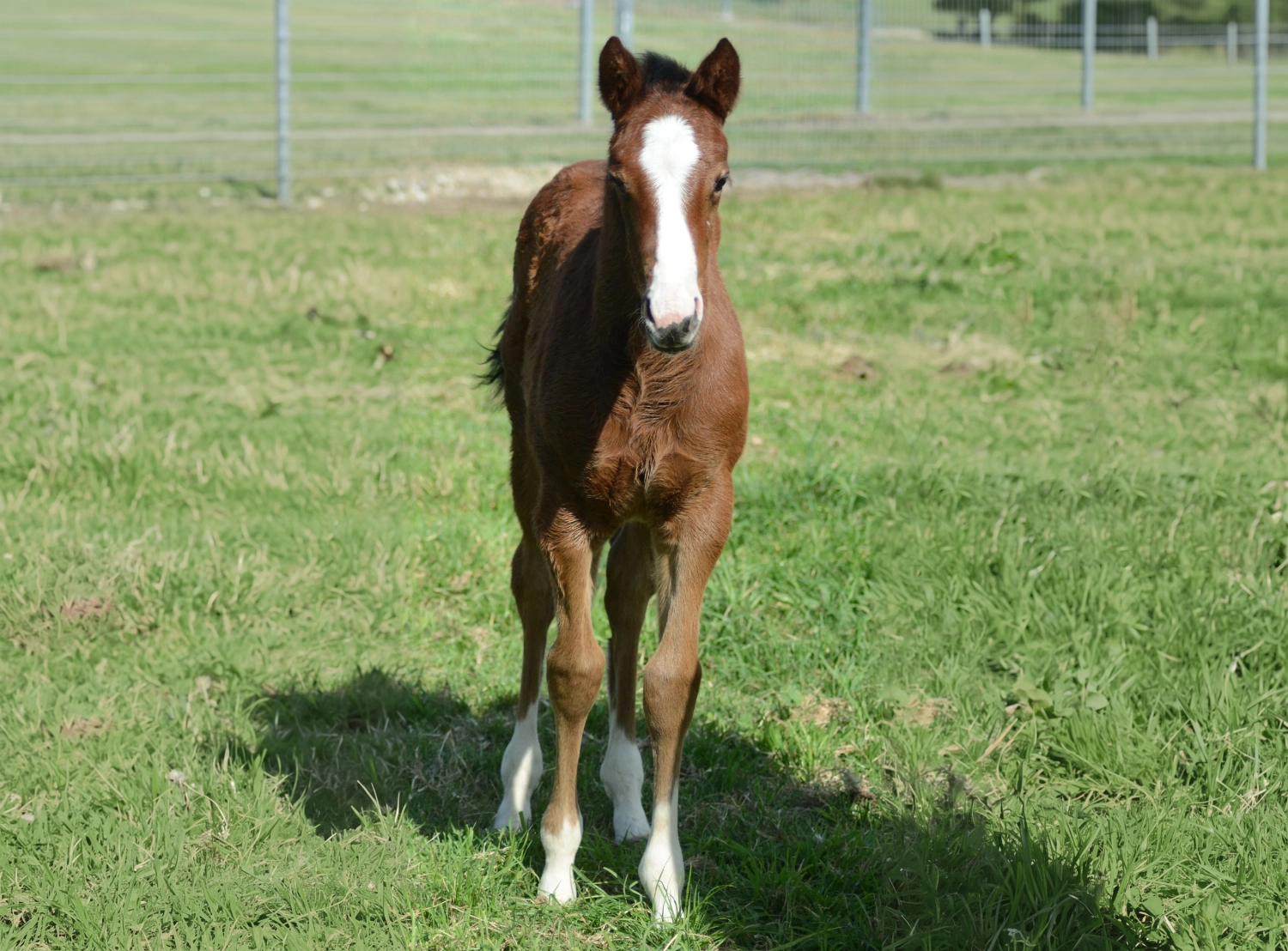
Do you have a 2025 foal that may be eligible for QTIS Breedback registration?

The Queensland Summer Racing Carnival is set to shine again in 2026/27, with all roads leading to the Gold Coast.

Racing Australia has today announced a time-limited, one-off window for eligible owners to resolve Late Foal Ownership Declaration (FOD) issues and have affected horses’ embargoes lifted.

With the 2026 breeding season underway, we wish all breeders the very best for the months ahead and look forward to seeing plenty of healthy foals arriving across the country.